Lipedema
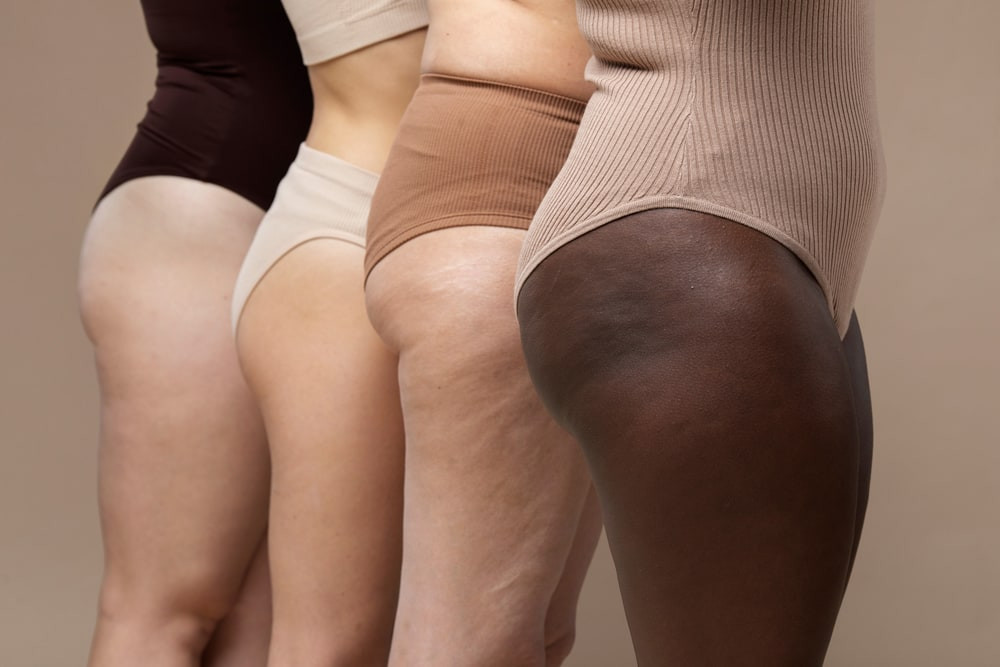
Heavy, painful, and disproportionately thick legs or arms may be a sign of lipedema. This is a chronic fat distribution disorder that affects more than three million women in Germany. Lipedema is often initially confused with lymphedema, even though their causes and treatment options are very different.
If you recognize these symptoms or are unsure whether you have lipedema, you should consider seeking an evaluation by a specialist at an early stage.
Schedule a consultation with Dr. Münzberg today to receive a personalized diagnosis and treatment recommendation.
Lipedema is a chronic fat distribution disorder that primarily affects women. The condition involves an abnormal accumulation of fatty tissue, particularly in the legs and arms, leading to a disproportionate body shape. The most common symptoms include pain accompanied by tightness and a feeling of heaviness in the legs, swelling, bruising, and increased sensitivity in the affected areas. In addition, there is limited mobility, as well as difficulty losing weight.
The condition is divided into three stages. In all stages, lipedema appears symmetrically, meaning that both legs and arms are always affected.
Stage I: The skin surface is smooth, with only fine nodules in the fatty tissue visible. The subcutaneous fatty tissue is uniformly thickened.
Stage II: Irregularities on the skin’s surface. The fat tissue exhibits medium-sized nodules. Subcutaneous fat tissue thickens significantly.
Stage III: Significant increase in circumference in the upper and lower legs as well as the upper arms and forearms. Very coarse fat structure and hardening of the tissue. The skin chafes and becomes sore. Joints are affected. Inflammation develops. Very painful. Severe wrinkling above the knee and above the ankles.
The causes of lipedema are not yet fully understood. However, there is a genetic predisposition. Hormones and metabolism may play a role. Many people with lipedema report changes during puberty, pregnancy, or menopause. Lipedema often runs in families. Lipedema is not caused by being overweight. Even light, regular exercise can help prevent fat deposits.
1. Medical history (patient interview): During this part of the consultation, you will be asked about symptoms such as pain, a feeling of heaviness, tenderness, and bruising without any apparent cause. Together with Dr. Münzberg, you will then reconstruct the course of the condition. It often begins during puberty, pregnancy, or menopause.
2. Physical examination: Specialist Dr. Münzberg looks for specific symptoms such as asymmetrical fat distribution, tenderness, and the appearance of bruises without obvious injury.
3. Imaging procedures (for differential diagnosis): Imaging procedures such as ultrasound can be used to rule out other conditions, such as lymphedema.
4. Differentiation from other conditions: To make a definitive diagnosis, other conditions with similar symptoms must first be ruled out. A distinction must be made from lymphedema, obesity, venous insufficiency, or other fat distribution disorders.
Diagnosing and treating lipedema in its early stages can slow the progression of the disease and alleviate symptoms. Since lipedema is often confused with other conditions, such as lymphedema, early diagnosis and personalized treatment are important. Those affected should therefore consult specialists, such as Dr. Münzberg (who performs approximately 10–20 liposuction procedures per month), who have experience with this condition.
There are various approaches to treating lipedema, which may vary depending on the severity and symptoms:
1. Conservative measures:
Compression garments: Wearing compression stockings or pants can help reduce swelling and relieve pain.
Physical therapy: Special exercises and lymphatic drainage can help improve lymphatic flow.
2. Dietary changes: A healthy diet can help regulate weight and alleviate symptoms. Reducing sugar and processed foods is often recommended.
3. Surgical options: In both early-stage and advanced cases, liposuction using the water-jet-assisted liposuction (WLA) technique may be considered to remove pathological fat tissue and improve body proportions. This method has proven effective in alleviating symptoms and improving quality of life. For more details on liposuction at the practice for plastic and aesthetic surgery led by specialist Dr. Münzberg, please read here.
Provided that at least six months of conservative treatment have been unsuccessful and surgical treatment is medically necessary, liposuction for lipedema may be covered by health insurance. The better the medical necessity is documented, the higher the chances of coverage.
As a general rule, coverage depends on the stage of lipedema and the medical necessity. In advanced cases (Stages I+II or III), liposuction may be recognized as medically necessary if pain, limited mobility, or recurring swelling are present.
When submitting a claim to the health insurance provider, patients should have the following documents ready:
Medical findings and diagnosis
Documentation of conservative treatment attempts
Description of the impairment in daily life
BMI below 32 (36)
With this evidence, patients increase their chances of having costs covered in full or in part. It is recommended to seek advice from an experienced lipedema specialist early on in order to prepare the application optimally.
If you have not tried conservative measures such as compression therapy or lymphatic drainage before liposuction, you must bear the costs of the procedure yourself. In this case, health insurance will not cover the costs.
If you are experiencing the symptoms described and are looking for expert care, Dr. Münzberg’s practice for plastic and aesthetic surgery is the right place for you. Drawing on his many years of experience, he will work with you to develop the right treatment plan so that you can regain your quality of life and feel comfortable again. During a personal consultation, he will take the time to answer your questions and address your individual wishes and needs.
Schedule your appointment now for lipedema diagnosis and treatment—Dr. Münzberg will consult with you personally and develop your individual treatment plan.
Free of charge and with no obligation
I would be happy to send you some information upon request.